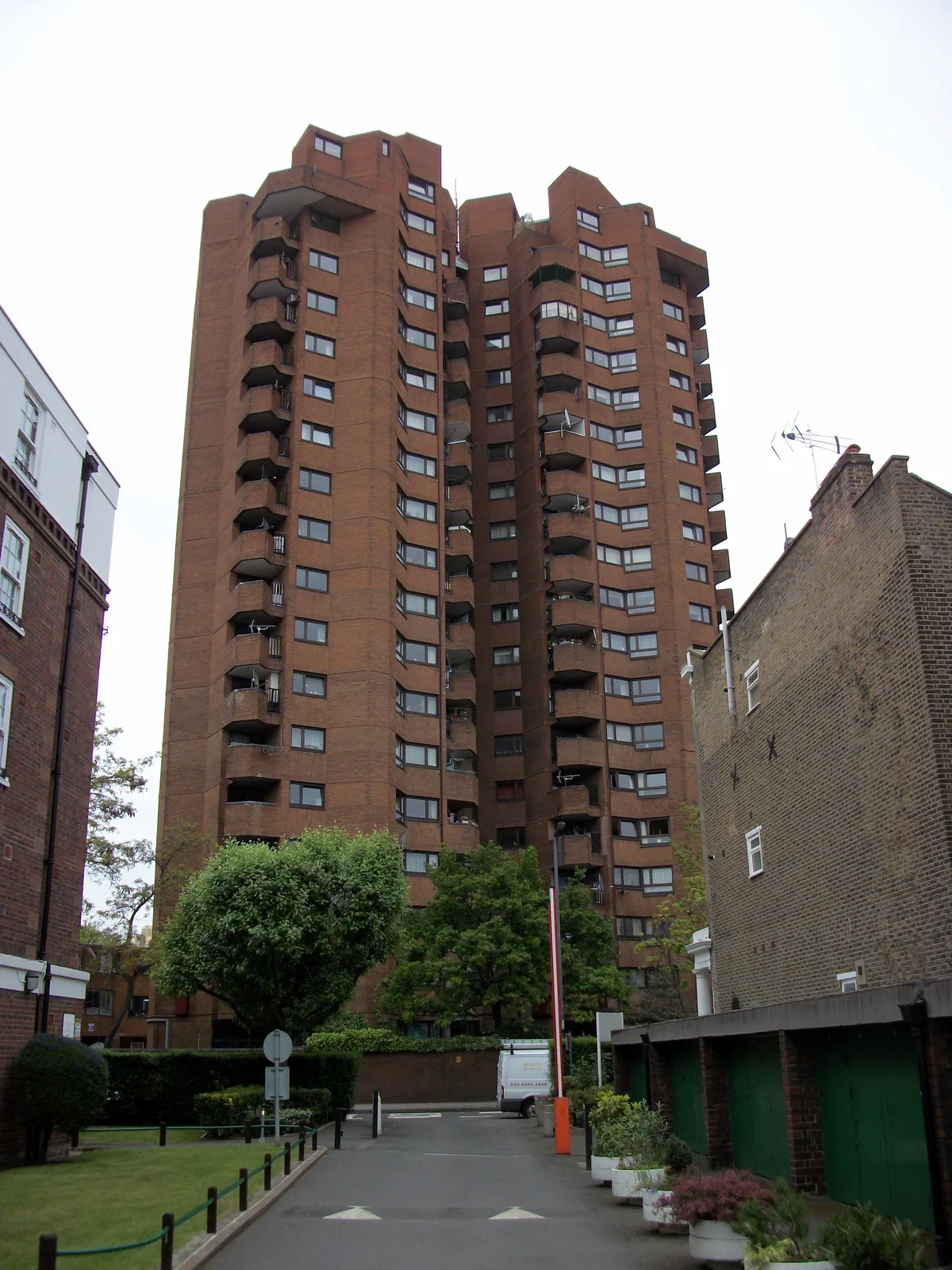

Kensington and Chelsea council tenants and leaseholders now need written approval for security gates or grilles, and unapproved ones may have to come off at their own cost.
Kensington and Chelsea council tenants and leaseholders can no longer fit security gates or grilles to their homes without the council’s written approval. Existing ones will be reviewed, and those put up without permission will “likely be required to be removed at the resident’s expense”.
The rule is part of a revised Improvements to your home policy, last updated on 23 November. The council announced it in a housing news item on 24 November.
Overview
- Who it covers: secure tenants and leaseholders in homes managed by the council’s housing service.
- What changes: security gates, grilles and similar devices are “strictly prohibited” unless the council approves them in writing after assessing the need.
- Gates already fitted: each will be reviewed by the Neighbourhood Manager and the Building Safety Manager.
- Who pays to remove one: the resident, if it went up without approval. The council may pay if it fitted the gate itself or the resident can show it was approved.
- Worried about your safety: contact your Neighbourhood Service Coordinator, or call the council on 0800 137 111.
Why the council is doing this
The council says gates and grilles “can cause serious safety risks”. In an emergency, it says, they could block escape or stop the emergency services reaching people quickly.
The policy lists them among works that are not permitted at all. Gates and grilles to communal areas, including balconies, entrance doors and windows, sit in that list beside changes to fire doors, including flat entrance doors in blocks.
Any gate that is approved must meet current fire safety and health and safety rules.
If you feel unsafe without one
The council says residents with concerns about their personal safety should speak to their Neighbourhood Service Coordinator first. That includes disabled residents and others who are vulnerable.
Where it is appropriate, the council may carry out a Person-Centred Fire Risk Assessment. This looks for fire-safe measures that support the resident’s safety and how they would get out in an emergency. The council’s news item says “alternative fire-safe solutions may be available”.
Other things the policy rules out
The same policy says these are not permitted in council-managed homes:
- anything that harms fire safety, including changing, decorating or removing fire doors
- works in communal areas, or to structural parts such as risers, load-bearing walls, roofs or windows, unless licensed
- open fires, wood or ethanol stoves, or other solid-fuel appliances in flats
- satellite dishes on blocks, unless allowed for that block or estate
What needs written permission first
Painting, wallpapering, shelves, curtain rails and like-for-like kitchen doors or taps need no permission. The policy says written permission is needed for:
- structural changes and moving a kitchen or bathroom
- hard or laminate flooring
- boiler replacement, rewiring and other work on building services
- changes to doors and windows, including removing internal doors
- patios, fences, sheds and conservatories
- electric vehicle and mobility scooter charging points
Where an internal door has been taken out, the council says it will tell the resident to put it back, or do the work itself and recharge them. Introductory tenants cannot make alterations at all.
What it means for you
If you rent from the council or own a leasehold flat in one of its blocks and have a gate or grille, nothing in the policy says you must act straight away. The council says it will review existing ones case by case.
If yours went up without written approval, the policy says you are likely to be asked to remove it and pay for that. If the council fitted it, or you have its approval in writing, keep that paperwork: the council may then cover the cost of removal.
Work done without permission can still get retrospective consent. That needs a surveyor’s opinion that it is safe and the right certificates. If it is unsafe, the policy says the council can ask for the home to be put back as it was, recover its costs, or take legal action.
Tenants should contact their Neighbourhood Team and leaseholders the Home Ownership Team, through the council’s housing line on 0800 137 111. The council says it will review the policy every five years, with the next review due by October 2031.
Have your say