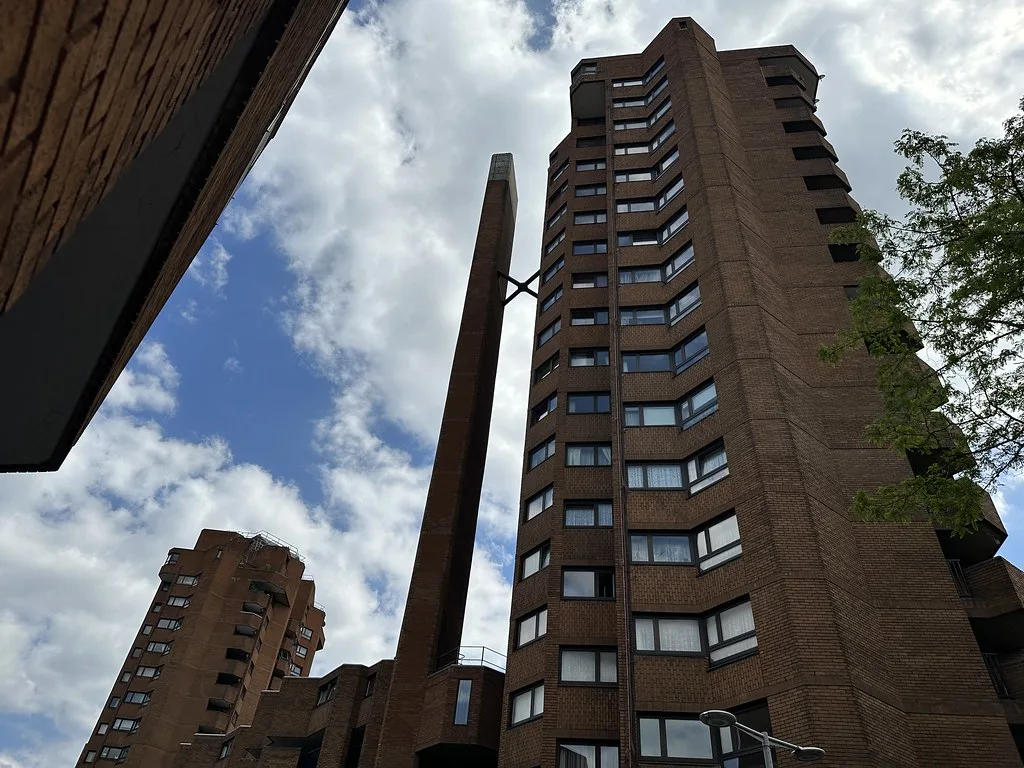

About 3,000 council homes get heat from 33 council heat networks. A report for 11 November proposes new tenancy terms and backs prepayment meters for arrears.
About 3,000 council homes in Kensington and Chelsea get their heating and hot water from one of 33 council-run heat networks. The council is now regulated by Ofgem for running them, and a report for its Leadership Team on Wednesday 11 November sets out what that means for tenants. (Leadership Team report, KD1014821)
Two proposals stand out. The council wants to change the tenancy agreements of 2,301 secure tenants on heat networks. And officers have concluded that prepayment meters are “the only effective way” to recover unpaid heating charges.
What a heat network is
A heat network makes heat and hot water in one central plant and pipes it to many homes. The report gives these details of the council’s networks:
- all 33 are on council housing estates
- the smallest serves 11 homes and the largest more than 700
- the oldest was built in the 1960s and the newest this year
- most run on gas boilers
They serve homes in seven wards: Golborne, Notting Dale, Stanley, Abingdon, Chelsea Riverside, Dalgarno and Colville.
The tenancy change
The council proposes a formal consultation with the 2,301 secure tenants under Section 103 of the Housing Act. After considering the replies, it would give each tenant 30 days’ notice of the change.
The change would tie the tenancy to new terms and conditions for heat supply. At the moment the tenancy agreement mentions heat and hot water only as one optional line for a charge. There would then be two versions of the council’s secure tenancy, one for homes on a heat network and one for homes with their own boiler.
The report says all other rights and terms would stay “identical”. It also says the change is not itself required by Ofgem. Officers chose it on legal advice, and say it “is also likely to have a positive impact on the Council’s ability to recover heat service charge arrears”.
Prepayment meters
Officers looked at how unpaid heating and hot water charges could be recovered. They concluded prepayment meters are the only effective way, “since other options are either ineffective or unavailable”.
No decision to fit them is being taken now. The report says any future policy would need more work on safeguards for residents in financial hardship, and would come back for approval. But the council would weigh prepayment when it chooses new meters.
One building already runs on prepayment meters for every home. At Bomore Road Apartments, 32 homes are on them by default. The report says this is “inconsistent” with the rules on charging. The council plans to switch them off during 2027 and go back to credit meters.
Where the council will miss the deadline
The council must comply with Ofgem’s rules by 27 January 2027. The report admits a few gaps:
- it cannot yet send bills electronically to tenants who ask for them
- it is still checking whether temporary accommodation it arranges counts as heat supply
- intermediate and market rent tenancies will probably be reviewed after the deadline
- the Bomore Road prepayment meters
The council plans to tell Ofgem about these when it registers its networks, expected in December 2026.
How you are charged
Most tenants and leaseholders on a network pay for heat as a service charge. The council shares out its actual costs after the year ends, without profit. That has three effects the report spells out:
- No monthly bills. The council is looking at sending a statement of usage instead, and letting tenants make extra payments.
- No tariff. You cannot be told a price per unit of heat in advance.
- Few meters. Only 147 of the council’s 3,123 connections, 5 per cent, have their own heat meter. That should rise to 833, or 27 per cent, under planned investment.
Where a home has a meter, the new rules say its readings must be used to work out the charge.
What it means for you
- If your home is on a heat network, expect a letter with new terms and conditions for your heat supply before the end of January.
- If you are a secure tenant, you should also be consulted on the tenancy change before it is made. You can comment on it.
- If you have a complaint about heating, secure tenants and leaseholders go to the Housing Ombudsman if the council’s own complaints process does not resolve it.
- If you are behind on heating charges, no prepayment meters are being fitted under this decision. Any plan for them needs a further council decision.
The heating system at World’s End is already a worry for leaseholders there, as our report on the estate’s major works explains. On the Lancaster West Estate, the new Notting Dale Heat Network will in time replace two of the existing networks, the report says.
Have your say