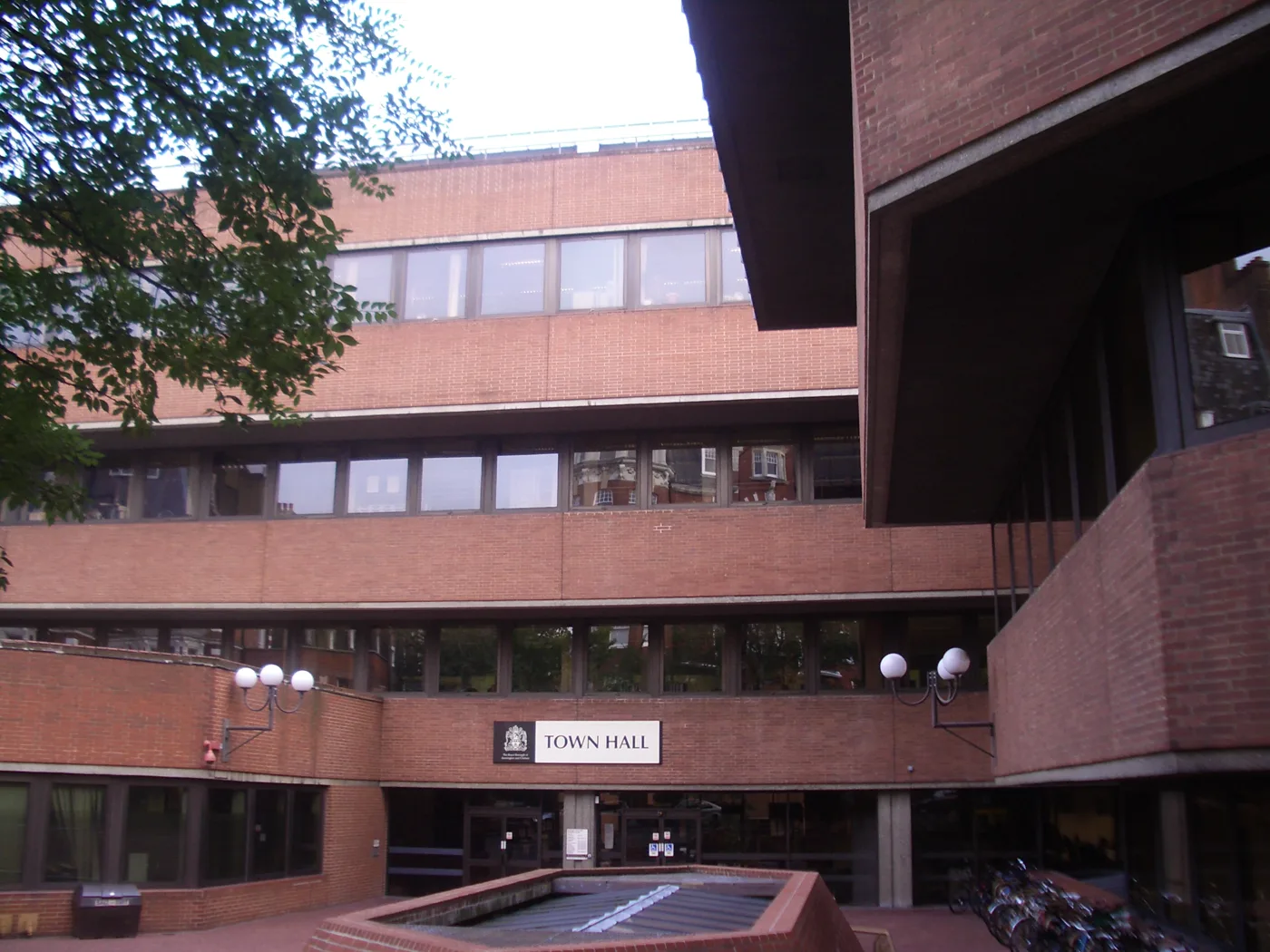

If the CPS charges Kensington and Chelsea Council over Grenfell, its chief executive will lead the response. The paper goes to councillors on 24 November.
Kensington and Chelsea Council has published how it will make decisions if it is charged over the Grenfell Tower fire. Its chief executive would lead the council’s response, after consulting the Leader of the Council.
Nobody has been charged. The Crown Prosecution Service is still reviewing the Metropolitan Police’s evidence. It intends to reach all its decisions before the tenth anniversary of the fire, on 14 June 2027.
The council published the paper on Tuesday 17 November. It goes to the Audit and Transparency Committee on Tuesday 24 November, for discussion and comment. (council announcement)
Why the council has written it
The Met finished passing its files to the CPS on 30 September 2026. They cover 20 companies and organisations and 54 individuals.
The Met referred the council for three offences:
- corporate manslaughter
- offences under section 3 of the Health and Safety at Work Act 1974
- offences under the Regulatory Reform (Fire Safety) Order 2005
The paper says it was written before any CPS decision “to ensure that elected members and residents understand the approach the Council will take”. (chief executive’s report)
Only four of the 20 organisations have confirmed they were referred, the report says. They are the council, the Kensington and Chelsea Tenant Management Organisation, the Ministry of Housing, Communities and Local Government and the London Fire Brigade.
Who decides
The chief executive would take the significant decisions, including on pleas, how the case is run, hiring lawyers and spending. The Leader keeps the power to call any of those decisions in. Written reasons will be published “as soon as legally possible”, or after the case ends if publishing sooner could harm it.
Three principles would guide every decision:
- The Hillsborough Charter. The council adopted it in 2017. The paper says the council will “cooperate fully with the criminal justice process and not seek to defend the indefensible”.
- Bereaved families, survivors and residents. The council says it will weigh what each decision means for them, and keep their services running.
- The public interest. In deciding whether to contest any charge, it will consider the evidence, legal advice, its duties to residents and the effect on other councils in a similar position.
The paper says these principles “do not predetermine the Council’s response to any particular allegation”.
What it could cost
The council has a budget of £1.070 million a year for legal costs linked to the criminal investigation. The report says costs “may exceed the existing annual provision at some stages”, and detailed estimates are still being drawn up.
All three offences carry unlimited fines. The Sentencing Council’s guideline ranges run from £180,000 to £20 million, but the report says that is neither a prediction nor a limit. The guideline says a fine on a public body should normally be cut substantially if it would badly affect services. The report says it would be “inappropriate to offer an estimate” of any fine.
The council aims to finish its main preparations by the end of 2026.
What it means for you
- Services carry on as normal. The paper commits the council to keep running services and Grenfell support throughout any case.
- Anyone can watch the committee. The Audit and Transparency Committee meets at 6.30pm on 24 November. The papers are on the council’s meetings page.
- If charges are brought, reporting is restricted by law so that any trial is fair. We will report what the CPS and the courts publish.
Our earlier report on the referral explains what a referral means and lists support services for anyone affected, including the NHS Grenfell Health and Wellbeing Service on 020 8637 6279.
Have your say