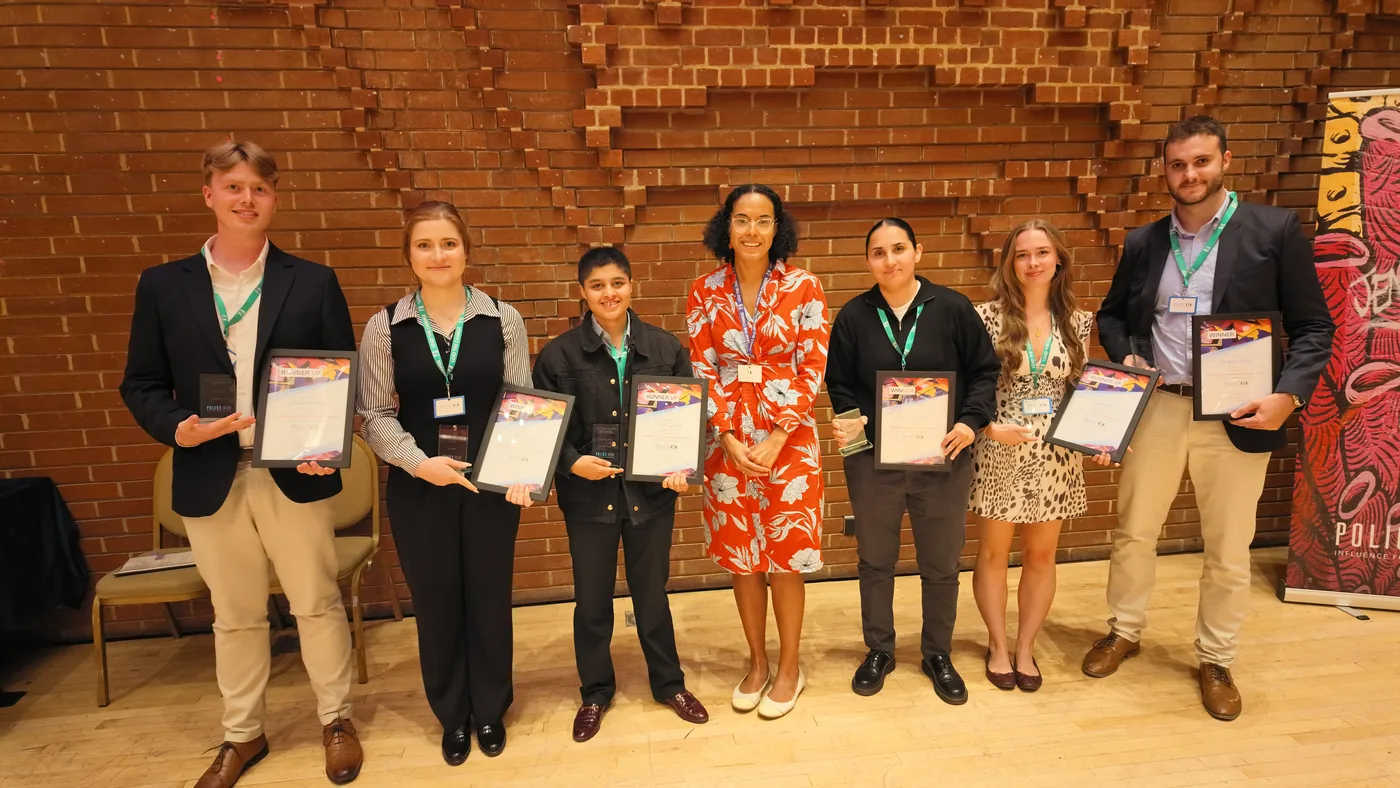

Six impact awards, three winners and three runners-up, went to Met officers at the Kensington ceremony on 11 September that ended their two-year programme.
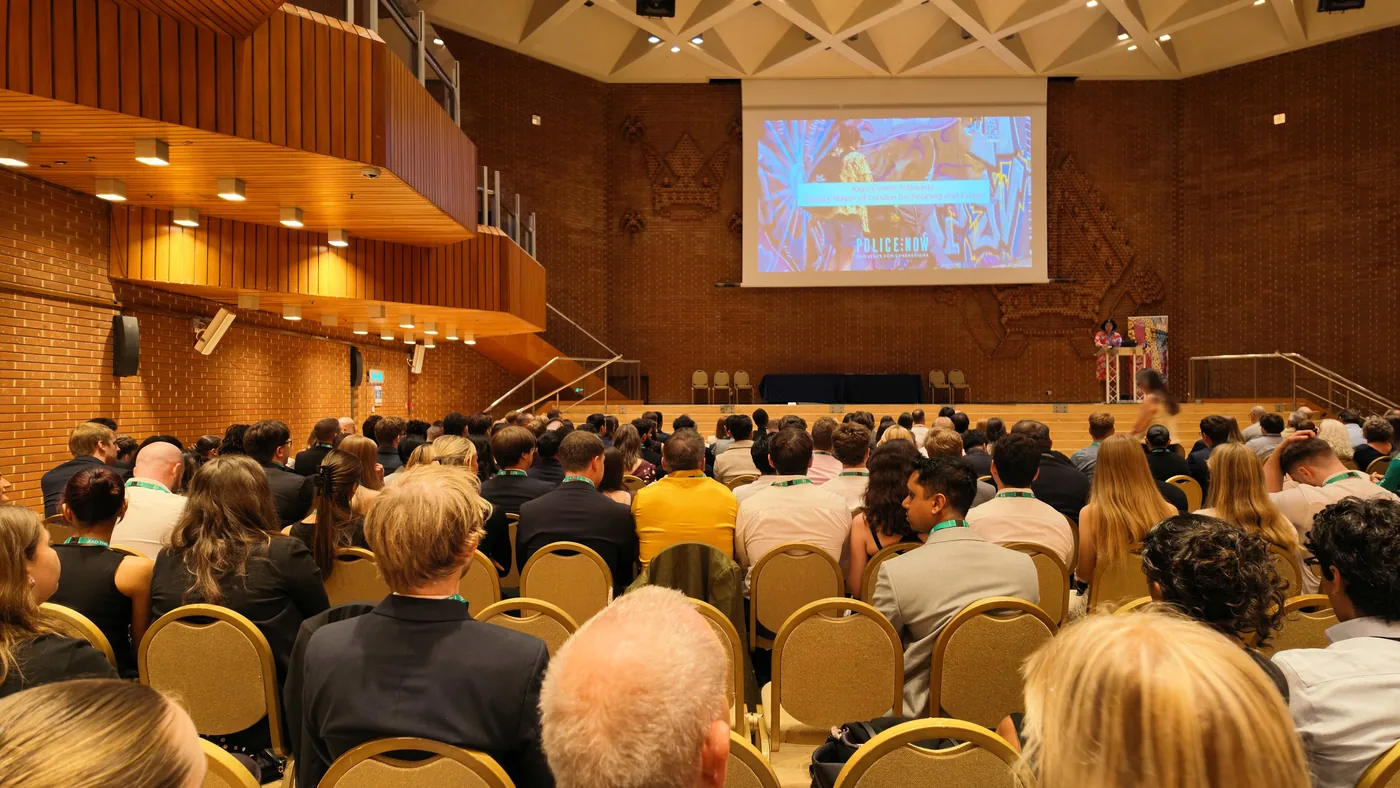
A hall in Kensington was where 139 Metropolitan Police officers stopped being probationers. They joined the Met in July 2024 through Police Now, the graduate entry route into policing, and on Friday 11 September they finished the two-year neighbourhood programme in front of family, friends and colleagues.
Police Now, which ran the ceremony and published its own account of it on Monday 14 September, puts the cohort at “around 140” in that account; its communications lead gave us the figure of 139. It has not named the building the ceremony was held in, beyond placing it in Kensington.
The keynote came from Commander Neerav Patel, the Met’s lead for neighbourhood policing. “What I think makes today particularly significant is that it marks the end of the beginning,” he told them. “For the last two years, you’ve balanced something quite remarkable. You’ve been learning and delivering, studying and serving, developing as leaders whilst dealing with the realities of frontline policing.”
He added: “Tomorrow you return to your teams, not as probationers, but as substantive officers. Tomorrow you are the structure. You are the people the public rely on when things go wrong. And whilst that may feel daunting, it should also fill you with enormous pride, because you’ve earned it.”
Six awards, none of them for work in this borough
London’s Deputy Mayor for Policing and Crime, Kaya Comer-Schwartz, presented six impact awards: three to winners and three to runners-up, across three categories. Worth saying plainly for readers here: the work that won them was done in Haringey, Lambeth and Wandsworth. Kensington and Chelsea supplied the room, not the case studies.
Corrected 18 September: this article originally said three impact awards were presented. Police Now has told us six were, three for the winners and three for the runners-up.
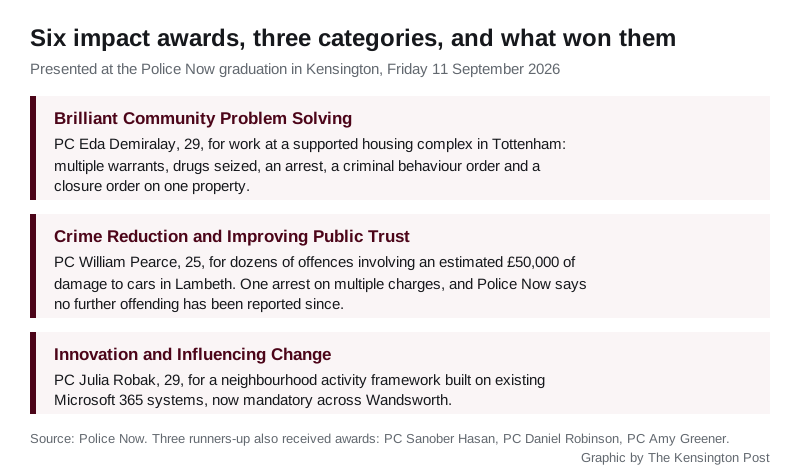
PC Eda Demiralay took the Brilliant Community Problem Solving Award for tackling drug use, suspected drug dealing and anti-social behaviour at a supported housing complex in Tottenham. Police Now says she worked with partner organisations and won extra funding, then carried out multiple warrants, seized a quantity of drugs, made an arrest, obtained a criminal behaviour order against a prolific offender and secured a closure order on one property. Crime at the complex fell substantially afterwards.
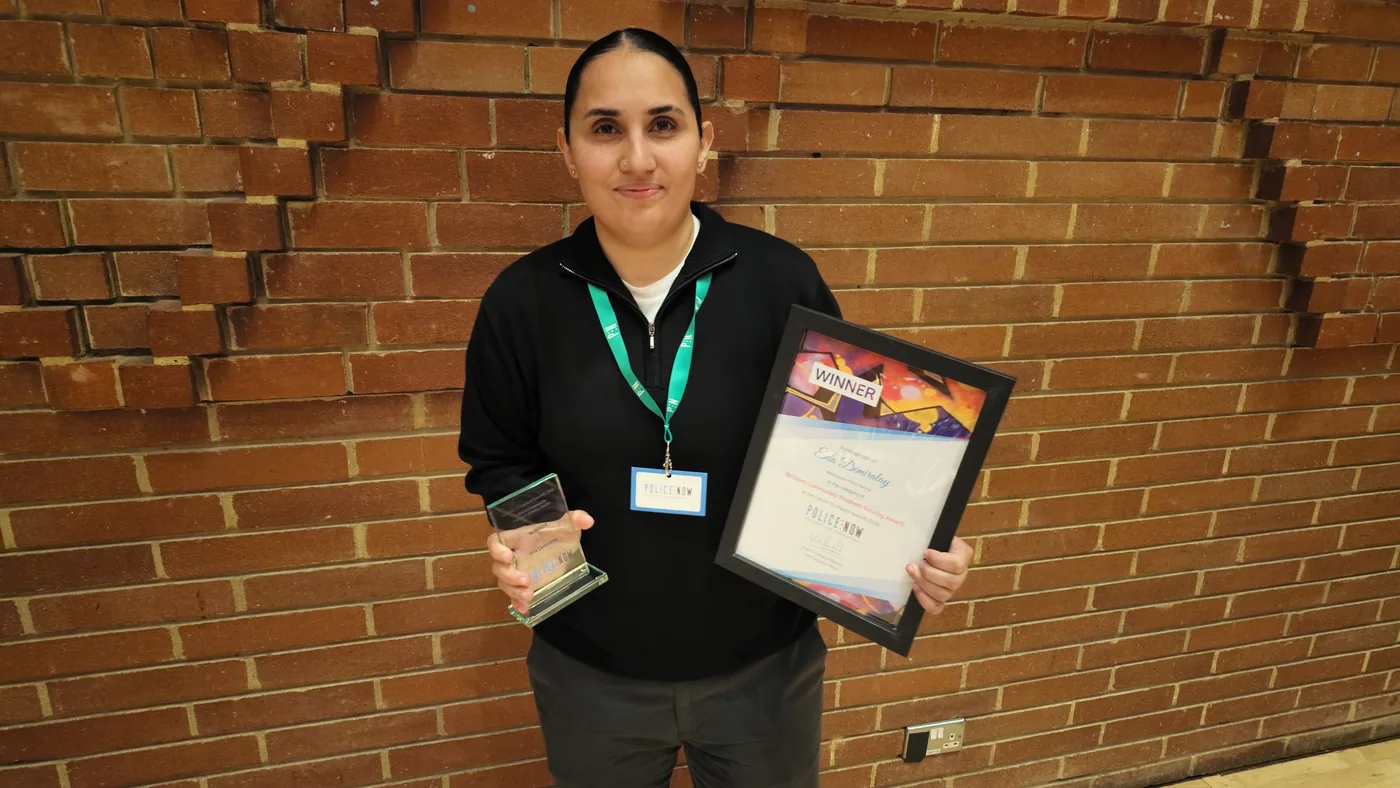
Demiralay, 29, said: “I was really surprised and humbled when I found out about the award. I did the work to make it a safer place for the community, so to get recognised for that was really special. I feel really grateful.”
PC William Pearce won the Crime Reduction and Improving Public Trust Award for dozens of offences involving an estimated £50,000 of damage to cars in Lambeth. He changed officer shift patterns, took witness statements, kept residents updated and collected CCTV and dashcam footage. One person was arrested on multiple charges and, Police Now says, no further offending has been reported since. Residents who thanked him now pass him intelligence on other crimes.
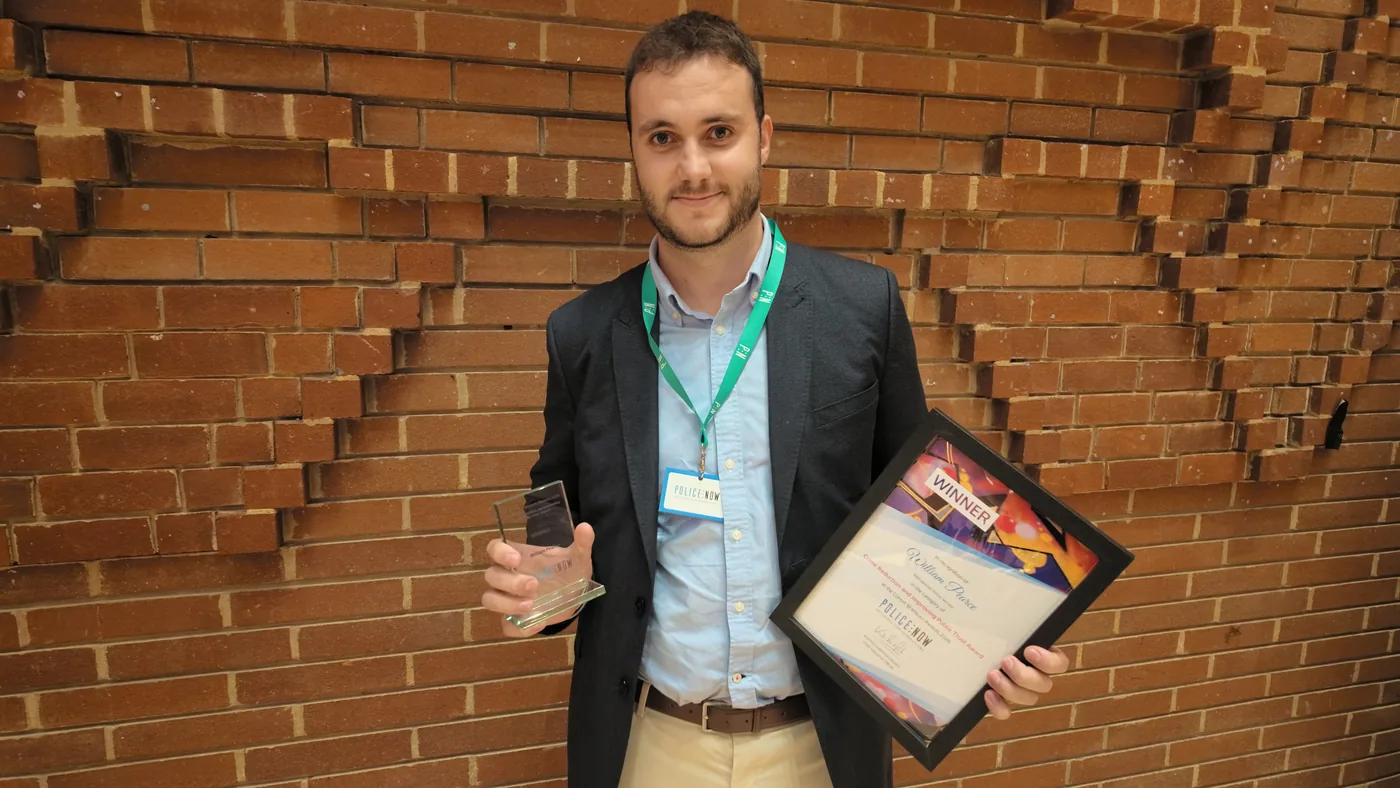
Pearce, 25, said: “To have completely changed the opinion of probably 50 households who didn’t trust the police makes me feel proud. And it goes to show that even when you come across obstacles, it’s important to keep pushing because the end result is what’s important.”
He added: “I didn’t expect to win anything for it, so finding out about the award was a big shock. I imagine everyone in my cohort does amazing work and I think a lot of the time in the police you don’t get any recognition, so it is nice to be acknowledged in this way.”
The third winning award, for Innovation and Influencing Change, went to PC Julia Robak, nominated by her supervisor for a neighbourhood activity framework she designed and put into use. It records the full range of work neighbourhood officers do and gives their leaders a clearer view of it. She built it out of Microsoft 365 systems the force already pays for, so it cost virtually nothing, and it is now the mandatory reporting method for neighbourhood teams across Wandsworth, with neighbouring boroughs looking at whether to adopt it.
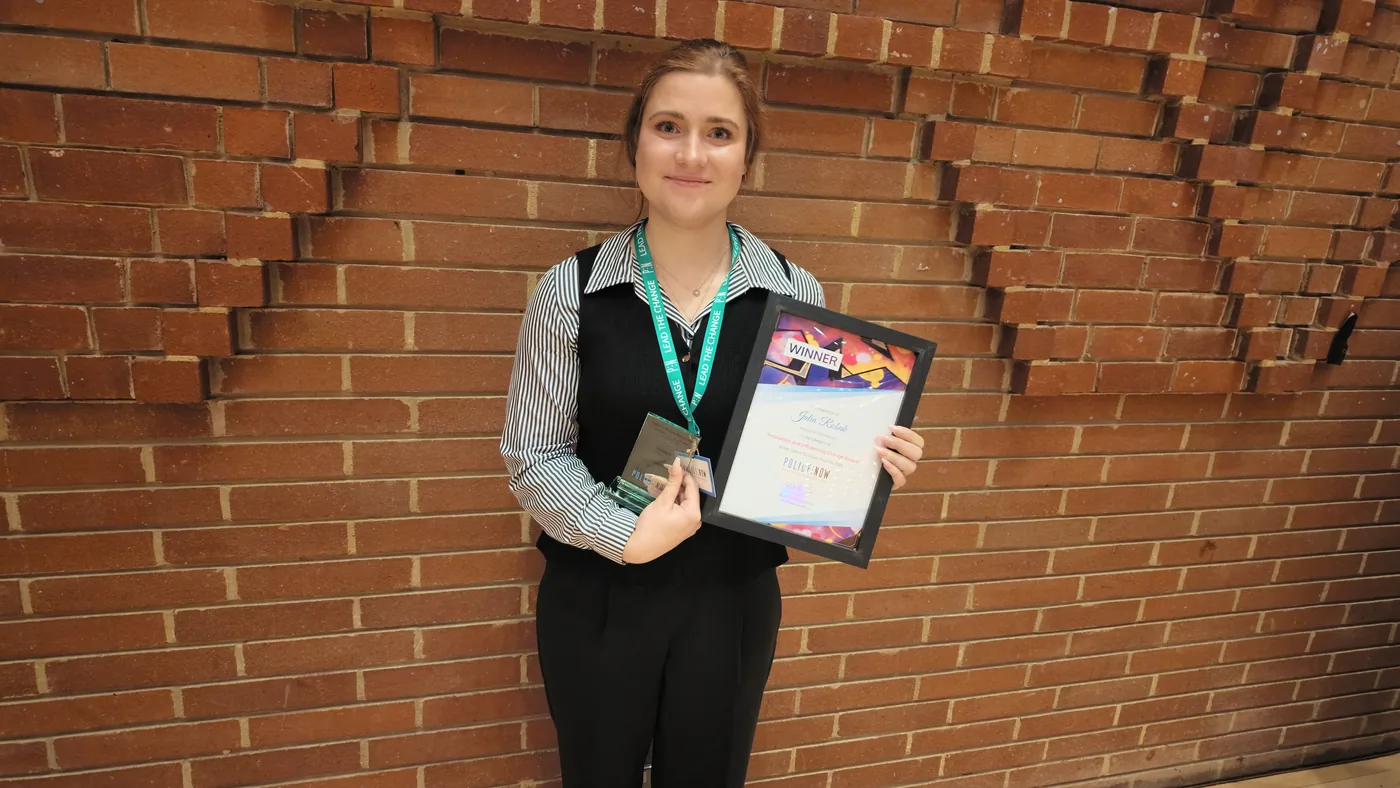
Robak is a biomedical sciences graduate who ran fundraising campaigns for bursaries at educational institutions before joining policing. “I had just been focusing on the technical side of things, but when I showed it to the superintendent and saw his excited facial expression, I knew it was going to be bigger than I first thought,” she said.
The 29-year-old, whose parents travelled down from Scotland for the ceremony, added: “It involved a lot of extra work that I really didn’t have to do as part of my job, so it’s nice to get recognition for it.”
The other three awards went to the runners-up in each category: PC Sanober Hasan, PC Daniel Robinson and PC Amy Greener.
Julie Anisiobi, programme director at Police Now, said: “Graduation marked an important milestone for this cohort, who have spent the past two years developing their skills and making a difference on the frontline. It was a real achievement for everyone concerned, and we’re incredibly proud of what they have accomplished.”
What it means for you
Nothing in the borough changes this week because of a ceremony. What changes is who is on the neighbourhood teams: the officers in that hall are now substantive constables rather than probationers, and the cohort is spread across London boroughs, the Met’s own included.
If you want to know who polices your street, the Met lists ward teams and their contact details on its Kensington and Chelsea area pages, ward by ward, from Abingdon to Golborne. Those are the officers who turn up to the operations we cover, such as the sniffer dog visits to shops that took 1,514 illicit items in a day and the weekend that ended with 90 supercars seized.
Police Now says it was founded inside the Metropolitan Police in 2014 and attested its first cohort in 2015. It is now an independent not-for-profit funded by the forces that take part and by the Home Office, working with 37 forces in England and Wales, and it runs the only national graduate entry route into policing.
Have your say